

Practical Ways to Manage Daily Stress
- Jan 9
- 4 min read
Daily stress can feel overwhelming. From work deadlines to family obligations, life throws many challenges our way. Learning to manage this stress is crucial for our mental health and overall well-being. In this post, we’ll explore some practical strategies you can implement in your daily routine to help reduce stress.
Understanding Stress Management
Understanding what stress is the first step to managing it. Stress is the body's reaction to any change that requires an adjustment or response. It can be triggered by external factors like work or family issues, or internal factors like self-doubt or anxiety. When we recognize these triggers, we can begin to take control of our stress levels.
Managing stress effectively involves a combination of techniques designed to bring balance back to your life. Incorporating these strategies can empower you to tackle each day with a renewed sense of calm and focus. Stress management is not a one-size-fits-all approach, but rather a collection of methods you can customize to fit your lifestyle.
Identify Your Stressors
The first step to managing stress is to identify what is causing it. Take some time to reflect on your day-to-day life. Ask yourself questions like:
What specific situations make me feel stressed?
Are there recurring patterns in my stress?
What can I change to minimize these stressors?
Writing down your thoughts can provide clarity. This exercise allows you to recognize the patterns and triggers of your stress, which is the starting point for implementing effective strategies to manage it.

Embrace Mindfulness and Meditation
Mindfulness and meditation have gained significant attention in recent years as useful stress reduction techniques. Practicing mindfulness means being present in the moment and observing your thoughts without judgment. This can help you break the cycle of negative thinking that contributes to stress.
Meditation involves setting aside time to focus and calm your mind. Even just 10 minutes a day can make a difference. You can begin with guided meditations using apps or YouTube videos, which offer a variety of styles to suit your preferences. Some helpful techniques include:
Deep Breathing: Focus on your breath. Inhale deeply through your nose, hold for a few seconds, and exhale slowly through your mouth. This helps activate your body's relaxation response.
Body Scanning: Lie down comfortably and progressively focus your attention on each part of your body, from head to toe. Acknowledge any tension and consciously relax those areas.
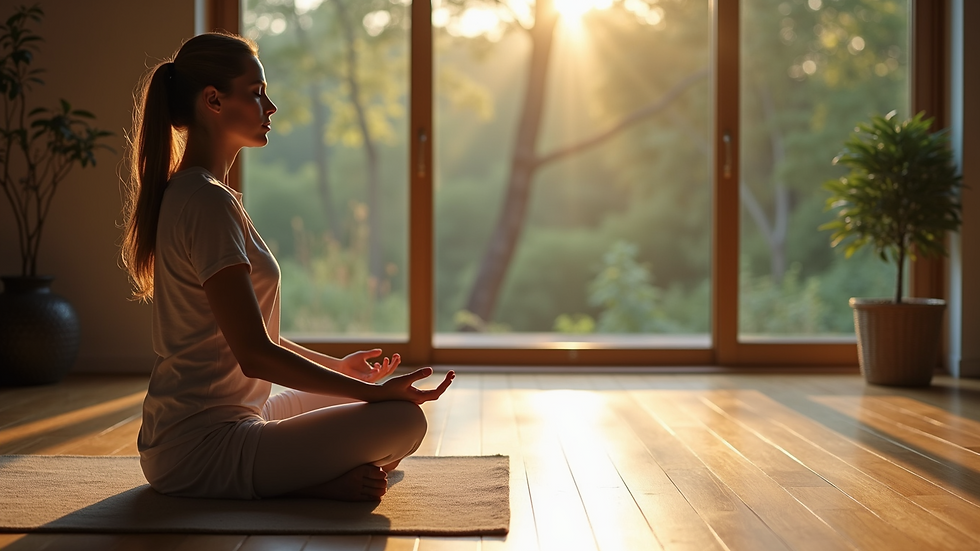
Creating a dedicated space for meditation can also enhance the experience. This could be a corner of your room or even a spot outdoors. A peaceful environment can amplify the calming effect of your practice.
Incorporate Physical Activity
Regular physical activity is a powerful stress reliever. Exercise releases endorphins, which are chemicals in your brain that act as natural painkillers and mood elevators. Incorporating movement into your daily routine can significantly alleviate stress.
You don’t have to commit to an overwhelming workout regimen or spend hours at the gym. Simple activities such as:
Walking: Aim for a brisk 30-minute walk each day. This can clear your mind and refresh your perspective.
Yoga: Combining movement with mindfulness, yoga can enhance flexibility and overall well-being while promoting relaxation.
Dancing: Whether at home or in a class, dancing can be a fun way to de-stress while getting your heart rate up.
Make it enjoyable by finding an activity you love. The goal is to create a positive association with exercise so that it becomes a regular part of your routine rather than a chore.

Foster a Supportive Social Network
Social connections can provide a great source of relief from stress. Sometimes, simply talking about your feelings with someone who can listen can lighten your emotional load. Consider surrounding yourself with supportive friends and family members who understand what you’re experiencing.
You can also explore:
Joining Clubs or Groups: Engaging with people who share similar interests can help lighten your mood and improve your social life.
Support Groups: Look for local or online support groups where you can share experiences and coping strategies.
Don’t hesitate to reach out for help when you need it. Sometimes, expressing your feelings or concerns can prompt solutions that you may not have considered. Building these connections with others can remind you that you are not alone in facing life's challenges.
Prioritize Self-Care and Downtime
Amid our busy lives, we often neglect self-care. Making time for yourself is essential to recharge and relieve stress. Self-care can take many forms, including:
Hobbies: Dedicate time each week to activities that bring you joy, whether reading, gardening, or crafting.
Quality Sleep: Prioritize getting sufficient sleep to help your body recover and rejuvenate. Poor sleep can heighten stress levels and lead to burnout.
Healthy Eating: Fueling your body with nutritious foods can positively impact your mood and energy levels. Aim for a balanced diet rich in fruits, vegetables, whole grains, and lean proteins.
Setting boundaries is also crucial for, allowing you time to focus on your needs. This might mean declining social invitations or delegating tasks when you feel overwhelmed.

The Takeaway
Managing daily stress is not about eliminating it but finding effective ways to cope. By identifying your stressors, embracing mindfulness, incorporating physical activity, fostering a supportive social network, and prioritizing self-care, you can create a comprehensive approach to improve your overall well-being.
Remember, stress reduction techniques can be incredibly beneficial, but consistency is key. Experiment with the strategies mentioned and adjust them to fit your lifestyle. Track your progress and notice how these changes impact your stress levels over time. Embracing holistic methods can lead to lasting benefits, enabling you to navigate life's challenges with resilience and grace.
In the journey of managing daily stress, empowerment comes from taking small, meaningful steps every day. Whether you find solace in meditation, movement, or meaningful connections, the path to peace and balance is within your reach.


Comments